
Building a custom backyard outdoor kitchen, built-in BBQ island, patio heater, or gas fire pit in Danville, Alamo, San Ramon, or Pleasanton adds year-round enjoyment to your home. However, fuel gas piping requires strict adherence to California code, proper BTU load sizing, and zero-compromise leak testing.
1. California Underground Gas Line Burial Depth & Material Rules
Standard black iron pipe should never be buried directly in damp East Bay soil because moisture rapidly corrodes unprotected steel, leading to dangerous underground gas leaks. At Prime Time Plumbing, our licensed gas specialists follow strict underground standards:
- Minimum 18-Inch Trench Depth: All underground polyethylene (PE) and epoxy-coated gas piping is trenched at least 18 inches below grade so gardening, aeration, and surface weight never damage the line.
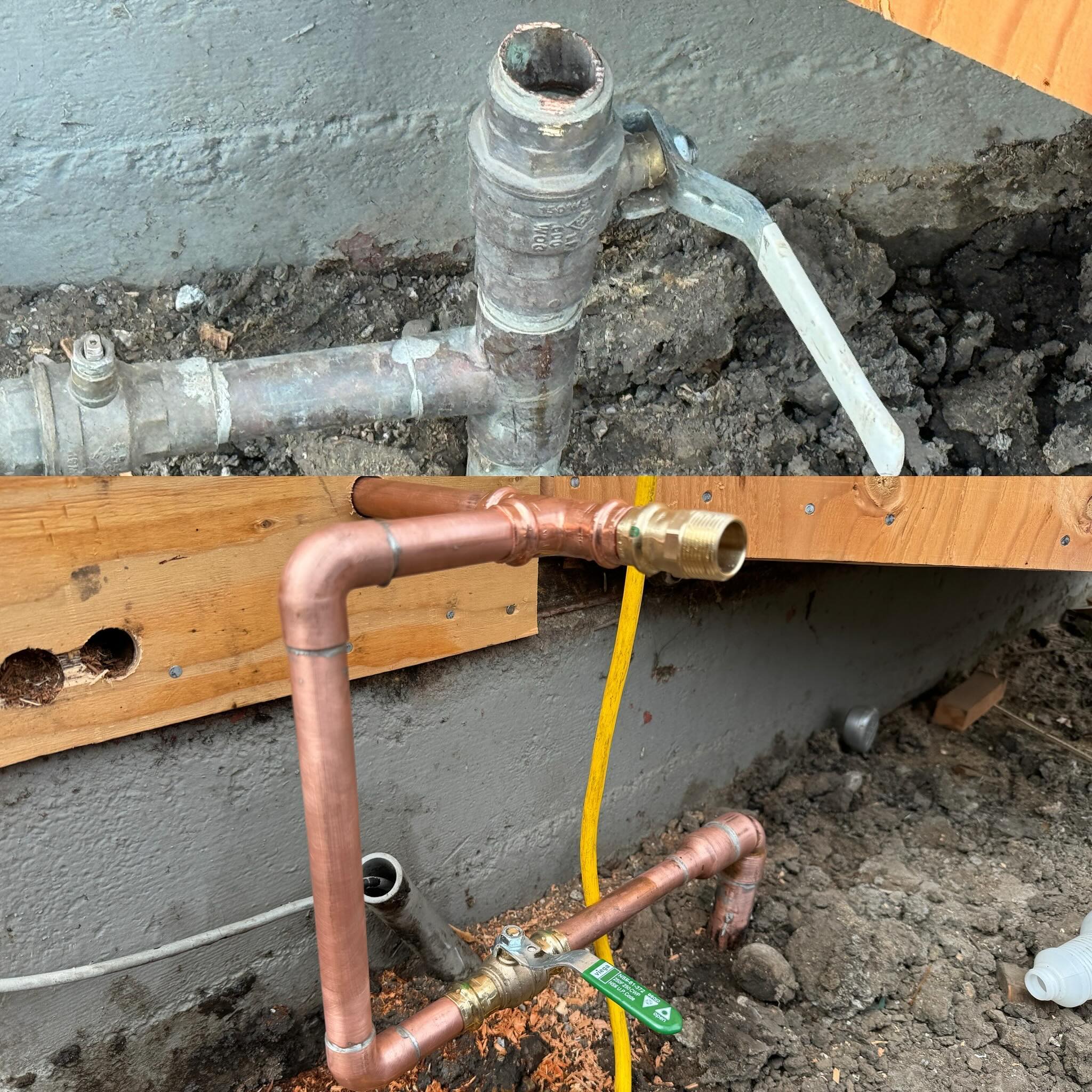
- Corrosion-Proof Polyethylene (Poly) & Risers: We use flexible yellow medium-density polyethylene underground gas pipe paired with factory-sealed metallic risers where the pipe exits the ground.
- Tracer Wire & Warning Tape: Every non-metallic poly gas trench includes continuous corrosion-resistant tracer wire and caution tape so future utility locators can trace the exact path.
- Accessible Shut-Off Valves & Sediment Traps: Each outdoor appliance receives a dedicated quarter-turn brass gas ball valve and code-required drip leg.
Explore our dedicated Gas Line Installation & Testing page to see how our licensed technicians handle installations, diagnostics, and municipal permits across San Ramon, Dublin, Pleasanton, and the East Bay.
2. MegaPress vs. Threaded Black Iron for Aboveground Gas Runs
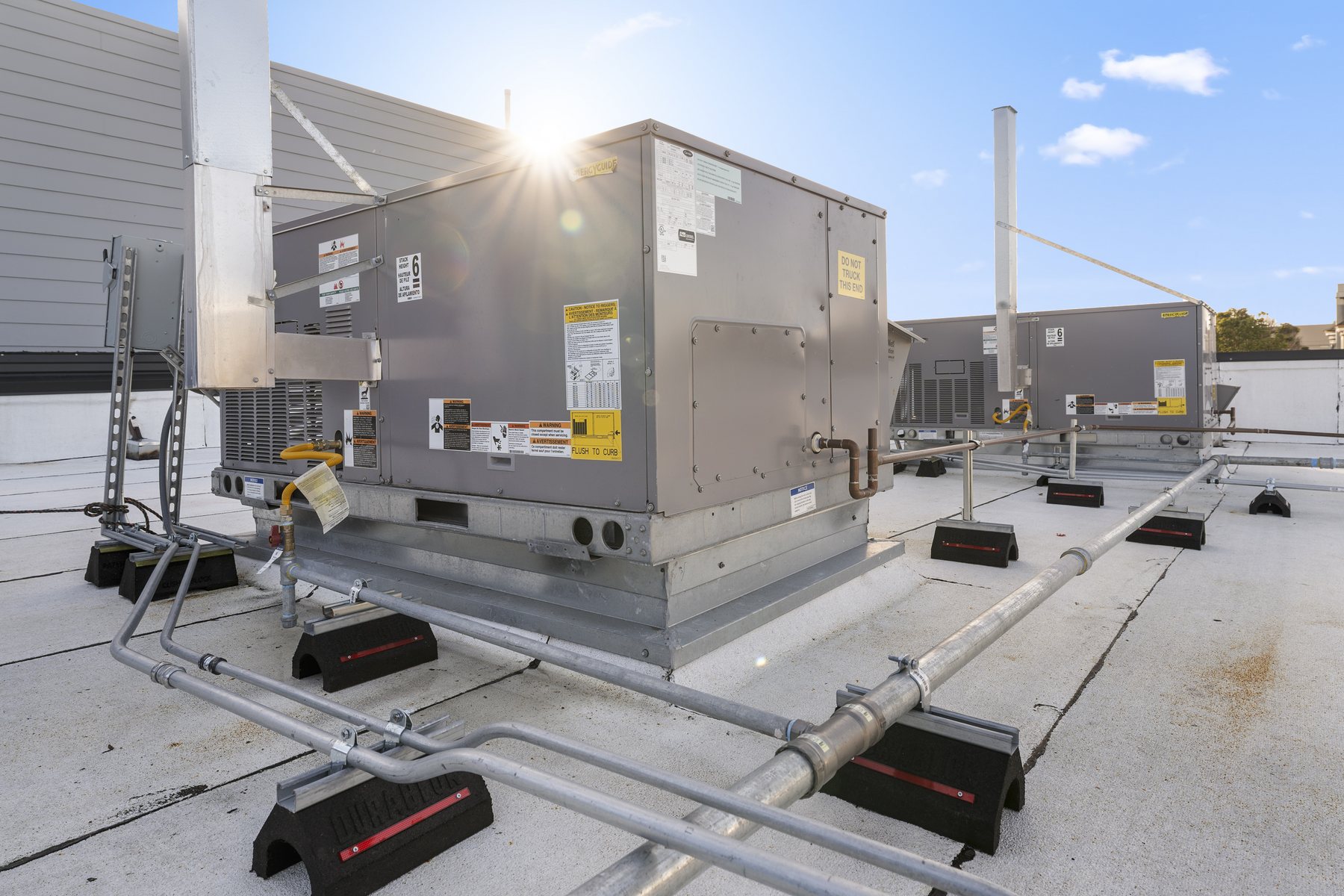
For interior, garage, and rooftop gas manifolds, Prime Time Plumbing specializes in both traditional threaded Schedule 40 black iron and modern Viega MegaPress carbon steel systems. MegaPress cold-press fittings feature specialized HNBR sealing elements engineered specifically for natural gas—delivering a flameless, uniform, leak-proof mechanical joint.
3. Sizing Your Gas Line for Fire Pits, BBQs & Pool Heaters
A luxury outdoor grill (60,000–90,000 BTUs) plus a backyard fire pit (65,000–125,000 BTUs) and a tankless water heater can easily exceed the capacity of an undersized branch line. We calculate total pipe length from your PG&E gas meter and size the trunk line so every appliance burns with a strong, steady flame.
| Piping Material | Approved Location | Key Safety Advantage |
|---|---|---|
| Polyethylene (Yellow Poly) + Riser | Underground (18"+ burial depth) | 100% immune to soil rust & corrosion |
| MegaPress Carbon Steel | Indoor, garage, crawlspace & rooftop | Flameless cold-press HNBR gas seal |
| Threaded Black Iron / Epoxy Galvanized | Aboveground manifolds & exterior transitions | High structural rigidity & pressure durability |
Frequently Asked Questions
How do you test a new gas line for leaks before connecting appliances?
We isolate the new gas line and perform a calibrated gauge air pressure test (along with electronic combustible gas detection and bubble testing on every joint) to verify zero pressure drop for city inspection sign-off.
Can you also install an earthquake gas shut-off valve at my meter?
Yes. We install seismic automatic gas shut-off valves that immediately stop gas flow if a significant earthquake hits the East Bay.
What should I do if my home was red-tagged for a gas leak?
Call Prime Time Plumbing at (510) 213-8213. We perform diagnostic pressure testing, pinpoint and repair the leaking section, and coordinate inspection clearance to restore your gas service safely.
Related Tri-Valley Plumbing Guides
- How to Get Your East Bay Sewer Lateral Compliance Certificate (EBMUD, Central San & DSRSD) →
- Tankless Water Heater Installation Cost in San Ramon, Dublin & Pleasanton (2026 Guide) →
- ADU Plumbing Guide: How to Connect a Backyard Cottage to Your Main Sewer Lateral →
- Bathroom Remodel Plumbing Checklist: Relocating Drains, Shower Valves & Freestanding Tubs →